
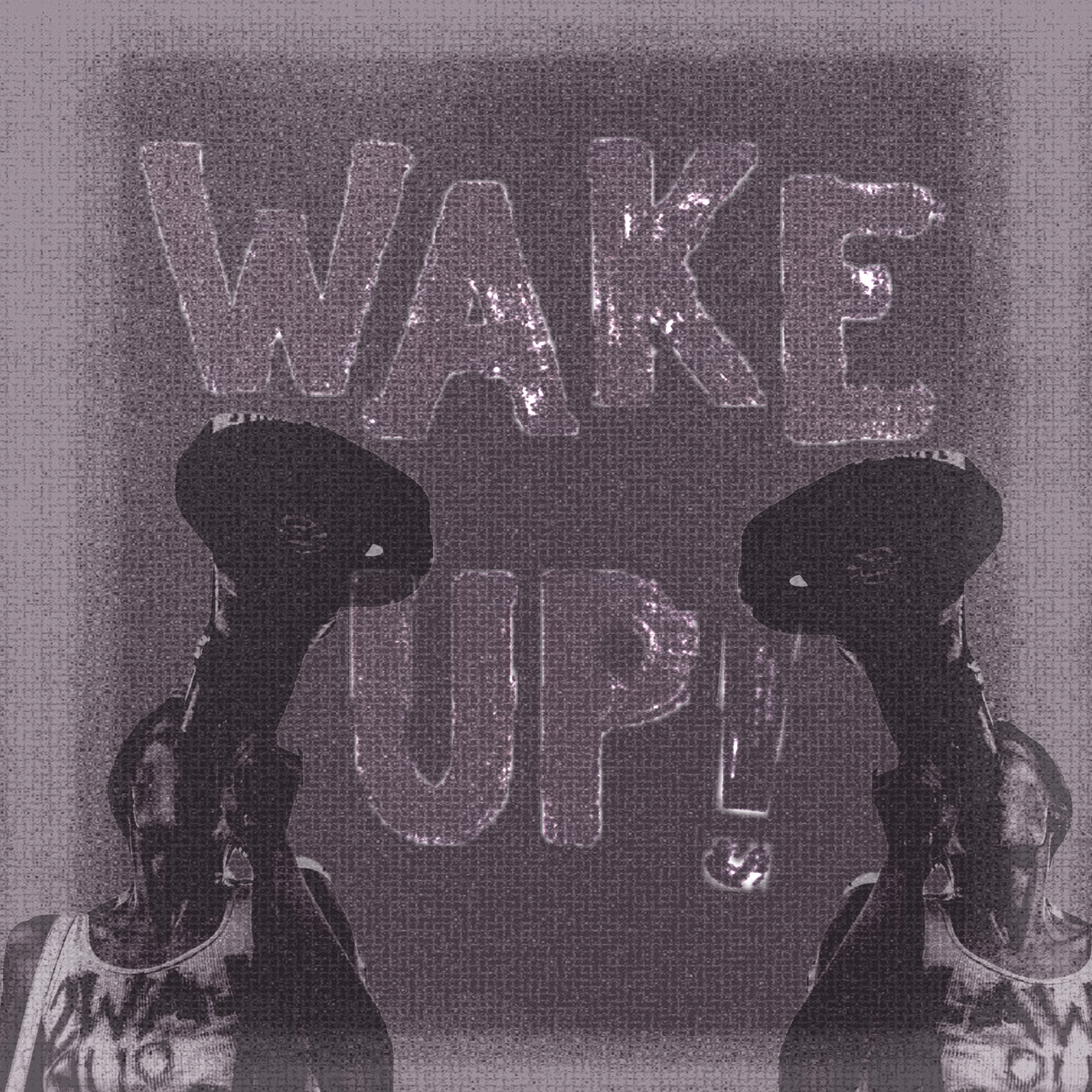
Written by M. Echols
Art by Greta Scheff
Note From the Editors:
The following account was submitted by a Champlain student who has assumed a pseudonym for their safety.
This first-person account concerns the events of March 11, 2026, when ICE officers and various Vermont law enforcement agencies executed a raid on a residential home in South Burlington. The raid was backed by a criminal warrant targeting Deyvi Daniel Corona-Sanchez. Corona-Sanchez was not present at the location during the raid. Nonetheless, ICE, with the assistance of Vermont law enforcement agencies, made three non-citizen arrests, which were outside of the bounds of their warrant, as determined by Federal Judges. As of May 1st, 2026, all three victims were released. Jisella Johana Patin Patin of Ecuador was released on March 16th, 2026, by U.S. District Judge Geoffrey Crawford. Judge Crawford stated that Johana Patin Patin’s detention was a violation of her constitutional rights. Daysi Camila Patin Patin was released on March 20th, 2026, by U.S. District Judge Christina Reiss. The Patin Patin sisters both have pending asylum claims. The third victim was Christian Humberto Jerez Andrade, who was granted bond and released on March 19th.
The account by M. Echols is minimally edited to preserve the authenticity of their perspective.
We got there around 2:30, my friend and I. Two skinny white college kids, hair tucked under hats and faces sealed away under masks. We hadn’t meant to be there, hadn’t known anything was happening. We were supposed to be looking at comic books, enjoying our spring break. But the UMall security had come through the comic store, warning the shopkeeper of ICE activity in the area. And then, we’d gone outside and seen cop cars, lights flashing, blocking off Dorset Street, and at that point, what was there left to do but investigate?
We walked down the side of the road that wasn’t blocked off, scoping out the situation before investigating. It wasn’t raining yet, but the sky was a dreary grey, and the wind chill was frigid. Past the cars blocking off the road, we saw more cop cars lining the street. Burlington, South Burlington, and state trooper vehicles were all present. The cops themselves stood in the median of the road, the state troopers in the parking lot of a small business on the other side of the road. And across from them was the white house surrounded by protesters. They’d set up a small pavilion-style tent in the front yard, shielding piles of food, face masks, and other supplies from the elements. People roved around, offering snacks and encouragement, checking on each other, and making sure everyone was ok. It was peaceful, a display of community.
Around the back of the house, more people quietly gathered in small clumps, but I felt tense. About 7-8 ICE agents—armed, faces masked, bullet-proof vests on—stood at the back of the small driveway, doing their best to ignore the crowd. Behind them, standing on a ladder to be seen over the fence, a pair of neighbors held “ICE OUT” signs. Still, even though the armed figures glared, the gathering was peaceful. Someone brought their guitar and led traditional protest songs such as We Shall Not Be Moved and a circle clapped along and sang. The least peaceful thing I saw was people writing in the dirt of the ICE agents’ cars, putting up warning messages, swastikas, and a few insults. One person yelled at the agents to meet her eyes and asked if they were proud of their work. Others chanted at them to go home or quit their jobs. The agents, for the most part, stayed still, although the youngest-looking one kept getting agitated and having to walk in circles to calm down.
Asking around, we learned that the agents had been there since at least 8:30 AM and did not have a warrant. The police had shown up in response to a car crash and stayed. Others at the scene claimed that the police had said they were not there to help ICE but that they had also said that they may have to get violent if ICE received a warrant and protesters refused to unbarricade the doors. The crowd was full of ordinary people—college students and elders, priests and kids wearing suits. News reporters circulated with cameras, as did a person taking notes and wearing a ‘Legal Observer’ hat.
After an hour or so, rumors started to circulate about a tactical squad gearing up in the Hannaford parking lot. Fear and unease rumbled through the crowd, although they tried to drown it out with chants and pep talks. Some people left. More people put on brave faces, grabbed whistles and better face masks, and took their positions. People who were willing to be arrested clustered around the doors of the house and stood in the window wells to protect those inside. My friend fell into that category, and I took their backpack and phone, along with explicit instructions that, whatever happens, I needed to get the comics safely out of there. I stayed close to others who wanted to avoid arrest. We watched the nearby roads, armed with whistles to signal if we saw the tactical squad approach.
Finally, one car arrived. A person got out, stared at us. It was a tall, bulky white man, wearing an ICE vest over regular clothing, armed and masked just like the ones behind the house.
“Who do you work for? What’s your name and badge number?” We chanted.
“I work for DHS,” he replied, ignoring all other questions. Seeing the roiling crowd, he got back into his car and sped away. We relaxed slightly, thinking that this could be a sign that they had failed to get a warrant and were retreating. Yet, within the next few minutes, a group came running from the direction of Hannaford, blowing their whistles loudly and shouting about the tactical unit. At least five cars pulled up, and men got out. It was very hard to tell what agency they belonged to. Many wore face coverings, along with face shields like you’d see in riot gear. They carried big guns, AK-47s I think, although I am not a gun connoisseur, and generally looked ready for violence.
I didn’t hear them announce anything as they walked to the edge of the crowd. They didn’t loudly declare that they had a warrant or ask people to move. Instead, they just started throwing people out of the way to reach the front door. I could just barely see and hear the two people in the lead slamming something against the door in an attempt to break it down, with most of my attention caught by the boos of the protestors and worry over people’s safety. The boos continued as the people entered the house, and we could see their flashlights moving through the windows, reflecting over a child’s window hanging of Frozen characters.
For a second, I thought I heard gunfire. It didn’t repeat, so I assumed I was mistaken, but I later learned from a witness within the house that ICE accidentally fired a gun while inside. After that, the scene slowly quieted, with everyone waiting to see what would happen next. They took much longer than I expected before finally emerging with three people in custody. The crowd’s reaction to this was mixed between boos and insults towards the ICE agents, and support and encouragement for the people being taken. The police formed lines to allow uninterrupted access to the cars, and the people were shoved inside. Although this may sound like the final damning conclusion of the protest, and certainly felt like it at the time, it ended up being just the beginning of the chaos and violence.
As word traveled around the house that ICE had arrested people, the protestors dropped their linked arms and emerged from their barricades to survey the new situation. ICE took a very long time to get their agents to the cars. In that time, protestors formed a blockade from the median to the sidewalk in front of the car, where they thought the detained community members were being held. Once it became clear that the car would reverse out to avoid them, the group split, and about half formed a line behind the car as well. Then, the lines expanded to cover both sides of the road. It took a few minutes of standoff, but eventually, the car reversed over the median and drove forward, through the line of protestors. It wasn’t going extremely fast, but definitely fast enough to hurt, and I heard several thumps as it drove through the cluster of people.
The scene grew a bit less organized then, with people milling around and trying to figure out what to do. I saw a few people standing to the side of the road, checking for injuries and slowly bending and straightening their limbs. The Burlington police were still mainly on the median, and I don’t know where the state troopers were. At that point, another ICE car made its exit. The majority of people were on the opposite side of the road, standing peacefully and checking on each other. This car abruptly started, sped up, swerved up onto the median, and then back down into the road. One person was crossing the road, almost to the median, and the car accelerated and swerved directly towards them. They were the only potential obstruction in that section of the two-lane road and were not particularly in the way. Yet, the ICE vehicle struck them with the front right corner of their vehicle, then continued accelerating without looking back. As the person was struck, they went over the corner of the hood with a loud bang, but did not go under the wheels. They were up again pretty quickly and escorted to the side of the road by another person, then disappeared from view.
To me, it seemed like that action directly led to the situation escalating. I saw people throwing things at police and ICE cars—mainly mud and leaves, although I saw one glass bottle thrown. Luckily, it didn’t break the windshield, although it made me very anxious about further escalations. Other protestors called for calm and asked people to stick to peaceful measures, but were ignored. Near me, a girl called the police non-emergency line, trying to report the cop cars for idling in violation of Vermont State law. She got hung up on as soon as the dispatcher heard the address. I suggested that she report the hit-and-runs instead, but I don’t know if she did so.
Out on the road, people looked upset. There was a lot of yelling and people moving about, and the confusion was aided by dusk falling. I saw Burlington or South Burlington police pushing and yanking protesters around and arresting a Black man. Someone tried to follow him at a distance and was shoved pretty hard. Further down the street, people crowded around something—I couldn’t tell what—and a line of local police officers stood on the median, watching. Someone approached them, saying she was a state-level elected official and asking to speak to the highest-ranking officer on the scene. She was directed towards that officer, but they were on the phone and told her to reach out to them later. My friend also went over to talk to the officers before going over to repeat what they’d said to the protesters.
Just after my friend rejoined the main group, the police presence suddenly faded away. They went back to their cars and big green vans. However, within five minutes, what I assumed to be the same officers were back, but with more weaponry. They wore the same green hats and vests that the state trooper had been wearing and were carrying what looked like paintball guns and bandoliers of big, rubber bullets. I didn’t hear them announce anything or make any requests of the crowd. However, screaming started, and people began to break away from the crowd, yelling about pepper spray and asking for water.
At the same time, there was a crackle and a burst of light, followed by a loud bang after 10 seconds or so. It took a minute to realize that the bang was from the flashbang instead of someone shooting into the crowd because the two were so disjointed. They set off many more flashbangs, and a growing group of people crowded the sidewalks, hunched over in pain and asking for water. Finally, another plain car burst through the crowd, and the officers melted away. After finding my friend among the dazed people on the sidewalk, we headed back towards the house. We helped clean up some of the trash left in the yard and listened to a short speech by a leader from Migrant Justice before heading home.
It’s been a week since then, and I’ve had time to see how the news is reporting on this and how the local and state governments plan to respond. Overall, everyone seems fixated on the idea that the protesters were violent and unruly, and that the use of force was justified. However, they’re not reporting the full story. I haven’t seen anyone mention protestors being hit by cars or protesters being pepper-sprayed in the face while already lying on the ground, an event which my friend recorded on video. The local and state police are trying to distance themselves from the situation while also claiming to be the victims. I was even told by a Champlain College staff member that Campus Public Safety had briefed them on the event, stating that the local police all came home soaked in spit. This seems implausible because most people were busy worrying about their own personal safety, but it does nicely fit a narrative that would benefit some people.
It’s clear that not all details are being reported and that some don’t want to give our communities enough information to fully form their own opinions. But now is not the time for complacency. What is the news highlighting and what is it ignoring? Who’s funding them and who benefits from their coverage? What factors might skew a report? We’d all better be thinking about that. After all, there’s an unregulated militia kidnapping, killing, and injuring people without repercussion. Seems like the type of thing you might want to pay attention to, no matter how safe the government claims you are.
Sources:
Article on raid: https://www.sevendaysvt.com/news/immigration-news/the-inside-story-of-the-south-burlington-ice-raid/
Article about Jisella Johana Patin Patin and quote from Judge: https://www.vermontpublic.org/local-news/2026-03-16/judge-releases-ecuadorian-woman-detained-ice
Article about Camila Patin Patin: https://www.vermontpublic.org/local-news/2026-03-20/judge-releases-the-last-of-three-migrants-detained-in-ice-raid
Article about Christian Humberto Jerez Andrade: https://www.vermontpublic.org/local-news/2026-03-19/judge-grants-bond-honduran-man-detained-ice